About Bioeconomy
-

Raw material production
-

Social sciences
-

Environmental sciences
-

Machining and processing
Why Bioeconomy?
Currently, the demand for resources to sustain our lifestyle is greater than our planet can reproduce them. On a planet with limited resources, we can only consume what regrows on its own or reuse what is no longer needed. What is therefore required, is a way of economics that is oriented towards the processes of nature, so that economic activity contributes to the preservation and restoration of nature instead of exploiting and destroying it.
What is the Bioeconomy?
Bioeconomy means the transformation of the current economic system to an economy based on renewable raw materials. In a narrow sense, this includes the extraction of bio-based raw materials from agriculture, forestry or other sources (aquacultures, insects, algae, yeasts, fungi, etc.), as well as the utilisation of biogenic waste and residues for the production of food and feed, bio-based materials, chemicals and pharmaceuticals and bio-based energy, and the development of biological treatment and processing processes. In a more general sense, the bioeconomy is about the absolute scarcity of all resource types (especially non-biogenic), moving away from a growth-oriented economy to a sustainable economy thinking in cycles. Environmental and social science aspects thus play a major role in this transformation process.
Important elements of bioeconomy are:

- the avoidance of fossil carbon sources and scarce, non-renewable raw materials
In the bioeconomy, renewable raw materials are used that grow in nature or under artificial conditions (e.g. algae farms). The biomass derived from this can be used directly as food, animal feed, building material, (textile) fibres and similar things, or it can be converted into intermediate materials for further processing in so-called biorefineries.
- the circular orientation
Waste and residual materials are already valuable resources today, from which those valuable materials can be obtained comparatively easily that originally had to be produced or mined at great expense. In the future, bioeconomic products will be durable, repairable and reusable. Discarded products are used in the best possible cascading manner (e.g. construction timber - furniture wood - pressed wood) before they are biotechnologically broken down into their molecular components and recycled (e.g. through biorefineries), thermally utilised or returned to nature's natural degradation process.
- the recognition of ecological and social framework conditions
Even in a circular economy, new resources must always be brought into circulation. However, only as much can be taken from nature as it is capable of replenishing on its own. The previously common close coupling of economic performance and environmental pollution must be eliminated, and old paradigms such as the growth imperative must be reconsidered. New guiding principles such as sufficiency and immaterial prosperity should take its place. However, this requires significant behavioural changes on the supply and demand side, and is not possible with technical-economic measures alone, but requires a comprehensive societal transformation into a fair and sustainable economy.
The genesis of bioeconomy
“Bioeconomy” is a term that was already used in the 1970s for an economic system concerned with the biological origins of economic processes in connection with the finite amount of available raw materials. In recent decades, many further definitions have been added that either aim to replace fossil fuels or concern the general use of predominantly renewable raw materials. Since the turn of the millennium, a wide variety of interpretations and implementation options has emerged between agrarian-ecological sufficiency movements and capitalist biotechnology.
At the political level, existing economic paradigms have largely been adopted, and bioeconomy strategies therefore typically pursue a growth-oriented substitution pathway in which fossil raw materials are simply replaced by biogenic ones. These strategies are highly influential and include supranational development strategies (e.g., the EU Bioeconomy Strategy), national implementation plans (e.g., Austria’s “Lighthouses of the Bioeconomy”), as well as numerous funding schemes for the rapid development of a biobased economy with biobased products. Although these new products are usually less environmentally harmful than fossil-based ones, political strategies usually sidestep the nevertheless absolute biophysical limits of this “business as usual.”
These limits have so far been acknowledged only by science and non-governmental organizations: the absolute limits to growth known at the latest since the 1970s (“Limits to Growth”) have been confirmed in countless studies since then, but demand a radical pivot in economic policy toward lower material and energy consumption. This goes hand in hand with a cultural shift toward immaterial quality of life, which, for more efficient production and processing, implies not only a physical overhaul of linear production chains into circular value-creation networks, but also radical, society-wide changes ranging from a departure from expansive settlement policies and resource-intensive consumption patterns (lifestyles), through bold labor market policies and flexible (vocational) education systems, to fundamental questions of distributive justice and personal values.
The bioeconomy is therefore far more than the often narrowly defined interpretation of “biobased products”; rather, it highlights the close interweaving of the economy with society and nature. Such a holistic consideration of the broader interrelationships leads to targeted research that not only enables but also supports a transformation toward a sustainable society. This most comprehensive understanding of the bioeconomy is being developed at the Center for Bioeconomy as Transformative Bioeconomy.
This comprehensive understanding of the term therefore includes several levels of meaning, which were elaborated in a study by Bernhard Kastner. By viewing the bioeconomy through these levels, it becomes apparent how different interpretations came about and in turn lead to different development pathways. However, only a few of these are truly sustainable. To embark on such a pathway requires particular conceptions of nature and notions of the goal and scope of economic activity.
SDGs & Bioeconomy

Currently, our economic system consumes more raw materials than the Earth is able to replenish. These exponentially increasing resource inputs are reflected in the Planetary Boundaries or Earth Overshoot Day. The huge ecological footprint of our way of life is based on the systemic unsustainability of the existing socio-technical system that provides us daily with essentials and absolute luxuries and increases our dependence on non-renewable resources.
In order to transform this global economic system towards sustainability on an economic, social and ecological level, the United Nations has set 17 Sustainable Development Goals (SDGs). In 2016, Austria committed itself to the SDGs and the UN Agenda 2030 and undertook to implement these principles. BOKU, as a leading sustainability university, is specifically dedicated to these important future issues with its fields of competence and focal points, and the SDGs form the strategic orientation for future development.
Many of these goals are also in line with the concept of the bioeconomy, which is already being promoted by many countries around the world in the form of national and multinational (e.g. EU) strategies and also takes into account environmental and social sustainability aspects (Artikel Sustainability 12/2020). Even though the bioeconomy focuses more on the environmental side of the problem, it can also be seen as a way to involve society more in the transition to a more sustainable life for all people on the planet. However, whether or not achieving a bioeconomy in full also contributes to achieving the SDGs is still debatable at the scientific level: much work needs to be done to ensure full sustainability for both goals. Only if smart and consistent policies are implemented this can be successfully achieved (T. Heimann, 2019).
The following SDGs in particular offer many synergies and scope for action in terms of the bioeconomy:
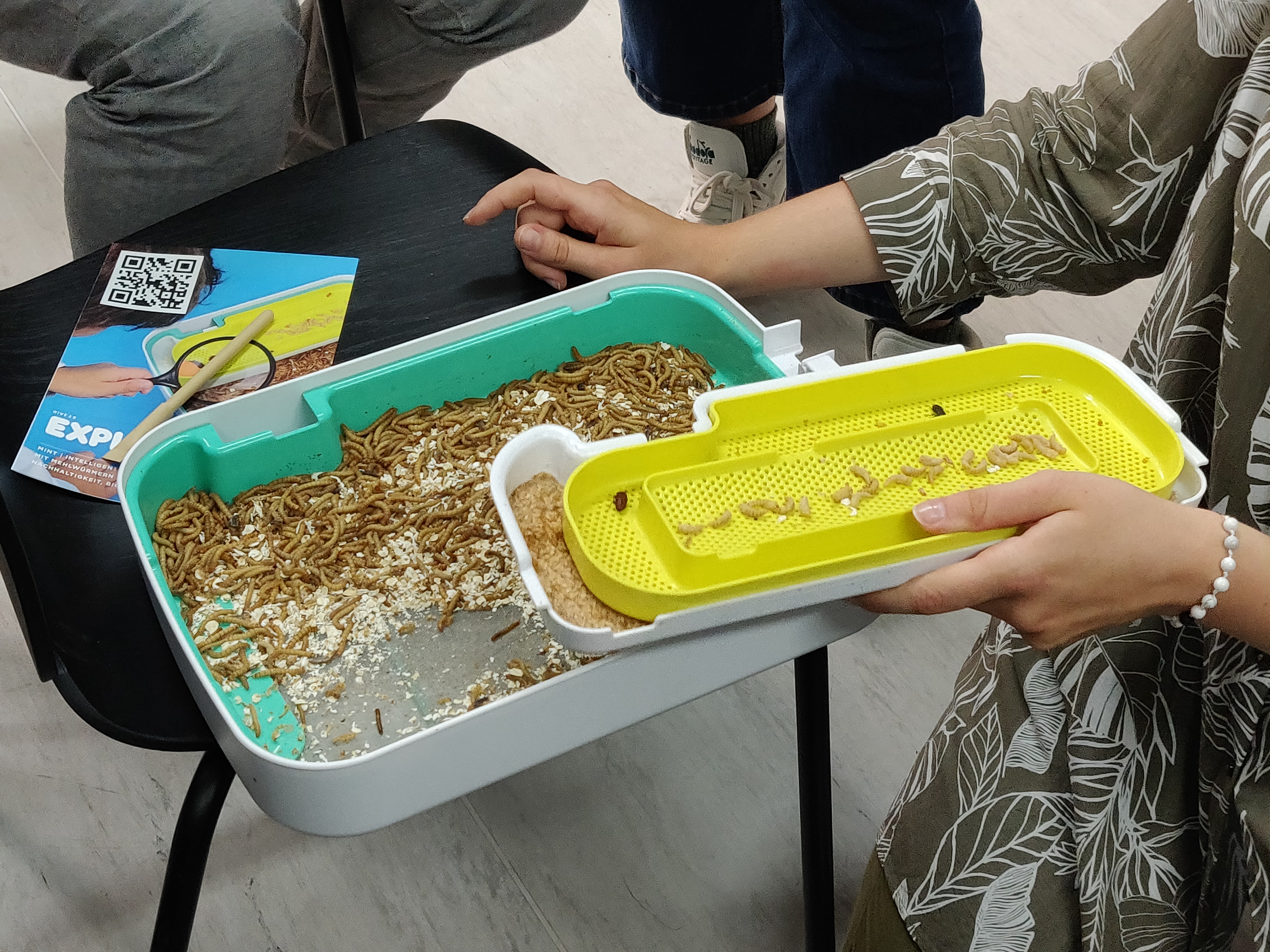
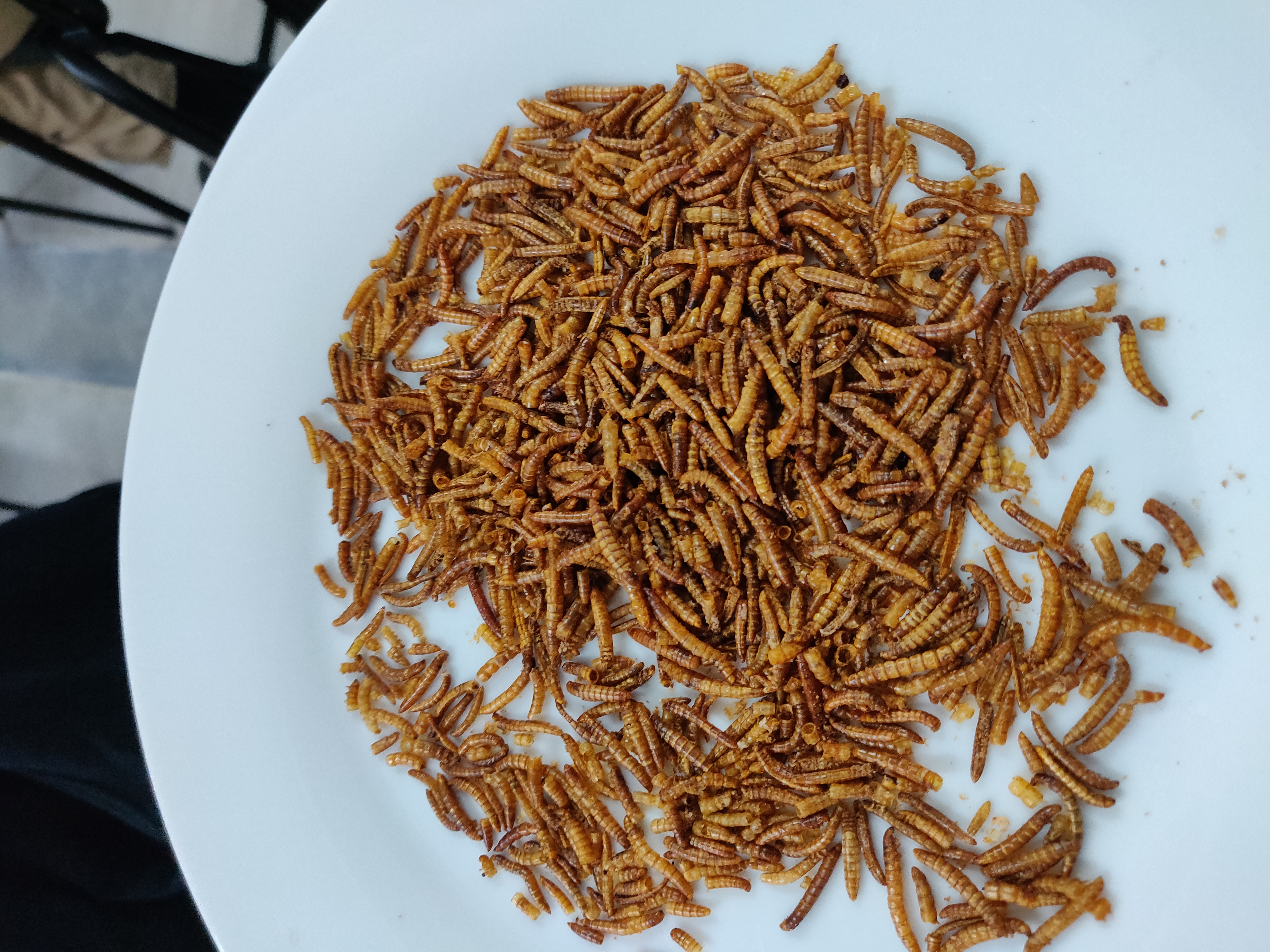
- Goal 2 "Zero Hunger": Austria consumes an average of 65 kg of meat/capita per year and is ranked 3rd in the EU. For this, animal feed has to be imported and rainforests have to be cleared, resulting in even more greenhouse gases. In terms of the bioeconomy, seasonal and regional plant products, preferably from Austrian organic farmers, are to be preferred. However, there are already various alternative, sustainable sources of protein (e.g. insects, Livin Farms) - for both humans and animals.

- Goal 7 "Affordable and clean energy": The bioeconomy advocates a globally equitable supply of energy. Taking into account the physical principles of entropy and the natural carbon cycle, both the burning of fossil fuels and the burning of biomass should play a secondary role in the energy supply of the future. These two energy sources currently result in less CO2 being sequestered and thus removed from the atmosphere in a given time period than is released during energy production in the same time period. For fossil fuels, the time difference between generation and consumption is much larger than for biomass, but the carbon balance of thermal utilization of biomass also leads to a time difference in generation time vs. useful life. In the future, the use of carbon capture technologies could make it possible that CO2 emissions from combustion are not released into the atmosphere, but that the carbon is recovered as a raw material and is thus available again as a resource in the context of the circular economy. In addition, the sustainable availability of biomass must be taken into account because it should primarily be used as a material. Within the framework of the sustainable bioeconomy, the following renewable energy sources should be prefered in combination with a decentralized supply infrastructure: Solar, hydro, wind, geothermal.
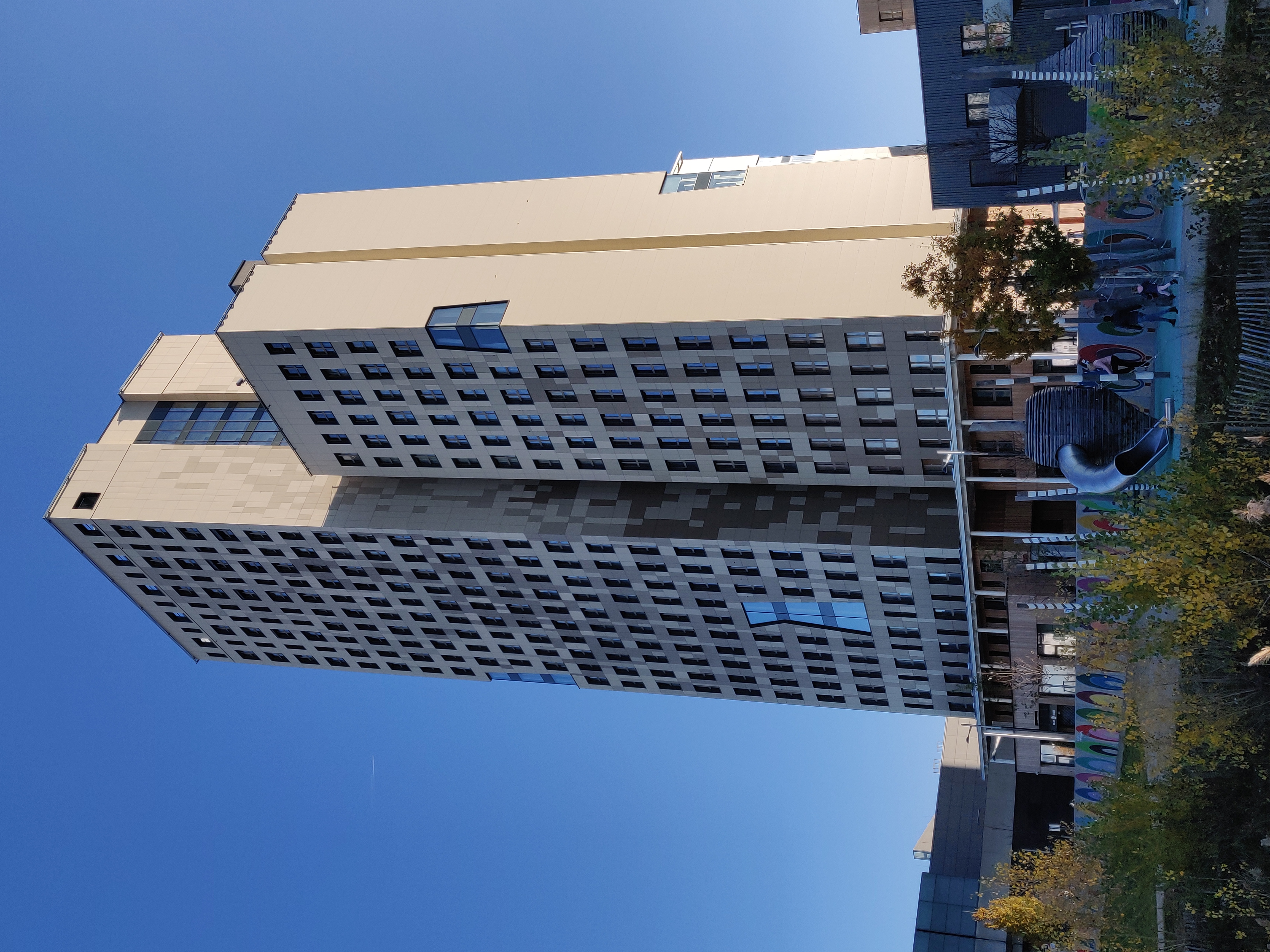
- Goal 11 "Sustainable Cities and Communities": The pressure on land use and the various conflicting goals caused by infrastructure and settlement construction on the one hand and food and energy production on the other are also reflected in the bioeconomy and present us with major challenges for the future. In the sense of the bioeconomy, however, it is about a responsible use of land and soil and the preservation of biodiversity. Example: Urban gardening, organic farming, coordinated spatial planning policy.


- Goal 12 "Responsible Consumption and Production": In the bioeconomy, sustainable consumption means above all a reduction of resource consumption through consumption behaviour that is adapted to planetary boundaries. Because neither in the traditional nor in a bio-based economy is the amount of available raw materials sufficient to maintain the current level of consumption, sustainable consumption is above all "non-consumption" of material goods and a careful selection of those goods that are actually used. Currently, 2/3 of the world's resources end up as waste or emissions in landfills, waterways and the atmosphere. It is therefore a matter of reducing the quantities and increasing the recyclability. This requires an awareness at all levels of society for a different way of consumption and to promote responsible consumption (sufficiency). For example: second-hand shops, clothes swap meets; food sharing platforms, cooking courses in schools. (e.g. "Best of the Rest" Academy)
- Goal 13 "Climate Action": the bioeconomy contributes to mitigating climate change by reducing dependence on fossil raw materials and energy and introducing renewable, regrowing bio-based materials in a wide range of areas of life. Best practice example: Wooden house (1 m³ of wood binds 1 t of CO2 and is in turn available as a renewable raw material source for further uses at the end of its life).